Shop SkinBetter Products Here
BOSTON PLASTIC SURGERY
Liposuction is designed to address localized fat that changes the shape of a specific area. It can improve that contour, but it isn’t a weight-loss procedure and it won’t correct every source of fullness or loose skin.
At Clareo Plastic Surgery, patients considering liposuction in Boston start with a clear understanding of what they want to change, what liposuction can realistically address, and whether another body contouring procedure may be a better fit.
TL;DR: Liposuction can be a good fit when localized fat is what’s changing the contour of an area, but it isn’t always the right solution. Loose skin or deeper abdominal fullness may need a different approach, and swelling can make the early result difficult to judge. The key is matching the procedure to what’s actually causing the concern, then giving the result time to develop.

Liposuction is a body contouring procedure that removes selected deposits of subcutaneous fat, or fat just beneath the skin. It is used to address areas that remain disproportionately full despite regular exercise and a healthy diet, not to produce significant weight loss.
The change is seen in the shape of the treated area rather than a specific number of pounds or inches lost. How much difference liposuction makes depends on the amount and location of the fat, as well as your existing anatomy. At Clareo, the aim is to improve the area in a way that looks balanced with the rest of your body.

A persistent pocket of fat may be what brings you in for a liposuction consultation, but candidacy depends on more than the area itself. Your overall health, weight stability, skin quality, and what you hope to change all help determine whether liposuction is likely to give you the kind of result you are looking for.
Liposuction is generally best considered when your weight is relatively stable. Your surgeon will also review your medical history and overall health to determine whether surgery is appropriate for you.
Liposuction removes fat but does not remove substantial loose skin. If you have significant skin laxity, reducing the volume underneath it may not create the improvement you expect.
This is especially important around the abdomen. If excess skin is a major concern, a tummy tuck may be a better fit, while some patients may benefit from combining skin removal with liposuction. The recommendation depends on how much of the concern comes from fat, loose skin, or both.

Knowing what is creating the fullness you want to change is important because liposuction only addresses certain types of fat. It can reduce subcutaneous fat beneath the skin, but it cannot correct every source of abdominal fullness, tighten substantial loose skin, or guarantee perfect symmetry.
|
Expectation |
What liposuction can realistically do |
|---|---|
|
Liposuction will help me lose substantial weight |
Liposuction is used for body contouring, not significant weight loss. |
|
Removing fat will automatically tighten loose skin |
Liposuction removes fat but should not be expected to tighten substantial loose skin. |
|
Abdominal liposuction can remove every kind of belly fat |
Liposuction treats subcutaneous fat beneath the skin, not visceral fat deeper inside the abdomen. |
|
My final result should be obvious immediately |
Some change may be visible early, but swelling can obscure the contour while healing continues. |
|
The goal is perfect symmetry |
Liposuction can improve the shape of selected areas, but it cannot guarantee perfect symmetry. |
The difference between subcutaneous fat and visceral fat is especially important around the abdomen. Visceral fat surrounds the internal organs and cannot be removed with liposuction, so deeper abdominal fullness may remain even after fat beneath the skin is treated. In those cases, liposuction may improve part of the contour without addressing the full concern.

The way a treated area looks right after surgery is not the finished result. Swelling and bruising are common during early liposuction recovery, and swelling can temporarily make the area look fuller or less defined.
Compression garments are often used to help control swelling and support healing. Your postoperative instructions will depend on the areas treated and the extent of surgery, but the first few weeks are still part of the process rather than the best time to judge your result.
As swelling goes down, the change from liposuction becomes easier to see. For many patients, the contour is clearer around three to six months after surgery, although the timing depends on how much was treated and how your body heals.
Results don’t appear all at once. The treated area continues to settle over time, so the shape you see early in recovery may look different as healing progresses.

Once swelling has settled and your result is clearer, weight changes can still affect the contour. The fat cells removed with liposuction do not come back, but the fat cells that remain can still enlarge with weight gain. Significant weight changes can affect the treated area and change how it looks in relation to the surrounding body.
That’s one reason liposuction is best thought of as a contouring procedure rather than a substitute for weight management. Maintaining a stable weight can help preserve the improvement over time, although aging and future body changes can still affect your shape.

If you are considering liposuction in Boston, the consultation helps determine whether liposuction actually matches what you want to change. If localized fat is the main concern, liposuction may be a good fit. If loose abdominal skin is also contributing to the area, a tummy tuck or combined approach may address more of the concern.
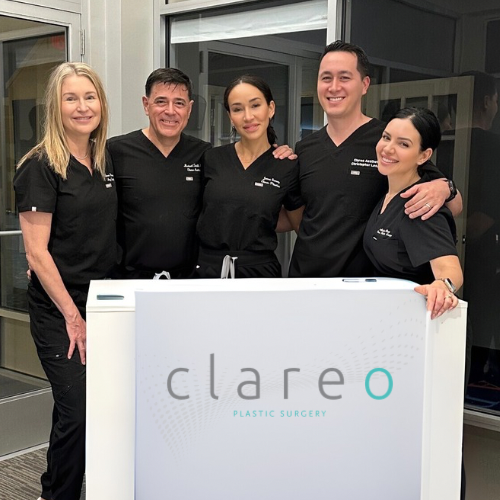
At Clareo Plastic Surgery, our board-certified plastic surgeons use the consultation to explain what each option can realistically change based on your anatomy and goals. The focus is on choosing the procedure that fits the concern, not simply confirming the procedure you came in asking about.
To discuss your options, contact Clareo Plastic Surgery or call (617) 793-7272.

No. Liposuction is used to change the contour of specific areas by removing localized fat. It is not designed to produce substantial weight loss and is generally considered when your weight is already fairly stable.
That depends on the area being treated, how much fat is present, your skin quality, and your anatomy. The result is better judged by the change in shape and proportion than by a certain number of pounds or inches.
Not necessarily. You do not need to reach one exact number, but your weight should generally be stable before surgery. If you are still planning significant weight loss, it may make sense to wait before deciding whether liposuction fits your goals.
Liposuction removes fat, not substantial excess skin. If loose skin is a significant part of what you want to change, especially after a significant weight loss, liposuction alone may not give you the result you are looking for, and another procedure may be discussed.
It can be. Liposuction may be appropriate when localized fat is the main concern, while a tummy tuck can address substantial excess abdominal skin. If both are present, your surgeon may discuss combining the procedures.
No. Liposuction treats subcutaneous fat, which sits beneath the skin. Visceral fat is deeper in the abdomen around the internal organs and cannot be removed with liposuction.
You may see some change early, but swelling can make the area look fuller or less defined at first. The result becomes easier to judge as that swelling gradually goes down.
Swelling usually improves over time rather than disappearing all at once. Some swelling can remain for several months, and the contour is often easier to assess around three to six months after surgery.
The fat cells removed during liposuction do not come back, but the fat cells that remain can still enlarge. Significant weight gain can therefore change the treated area and the proportions around it.
Healthy eating and regular activity can help you keep your weight stable and maintain your result. They will not stop your body from changing over time, but avoiding significant weight fluctuations can help preserve the contour created with surgery.
Also read:
See how patients experience Clareo’s unrelenting commitment to quality, safety and exceeding expectations.