


Breast Augmentation at Clareo Plastic Surgery
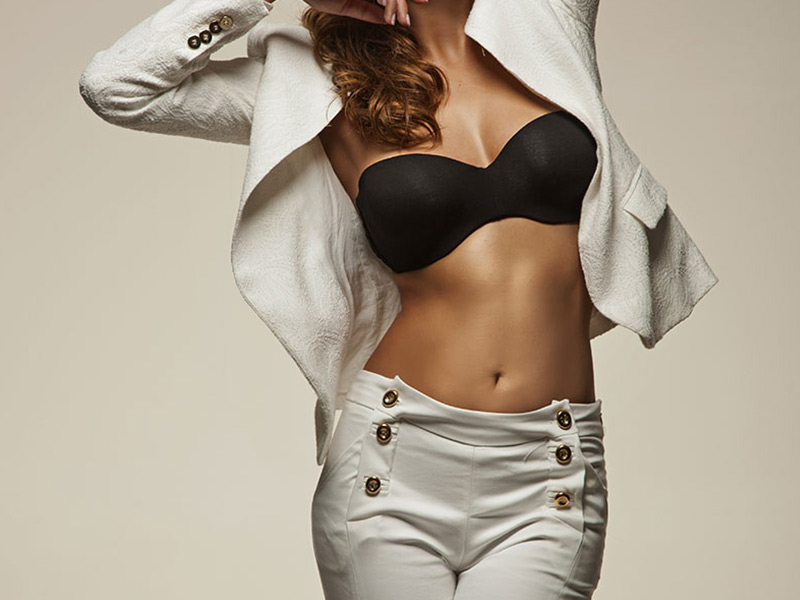
Many women experience a point in their lives where the way they feel about their reflection in the mirror does not match the spark they feel on the inside. If you feel that the size or shape of your breasts is impacting your confidence, the Clareo Plastic Surgery breast augmentation procedure could be the perfect solution to help you rediscover your self-esteem and radiance.
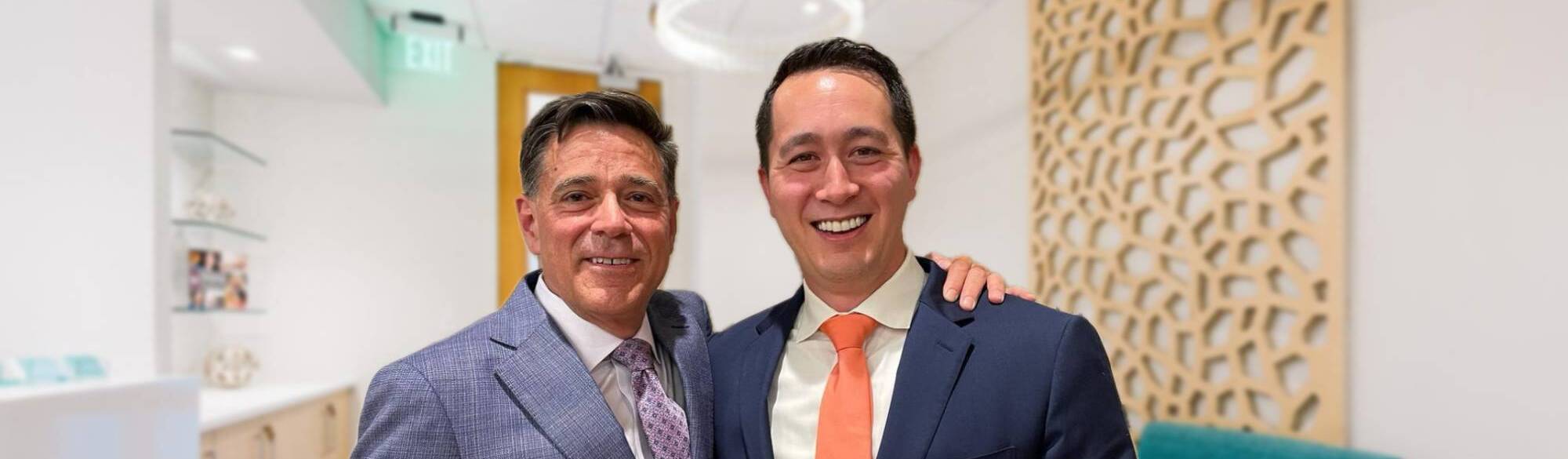
Clareo’s board-certified surgeons, Dr. Michael Tantillo and Dr. Christopher Lee, offer exceptional breast augmentation procedures with unparalleled expertise. Our highly skilled plastic surgeons are committed to delivering top-tier aesthetic results tailored to your unique needs. Experience personalized care and meticulous attention at Clareo Plastic Surgery in Boston. We take the time to understand your individual preferences and goals, ensuring that your breast augmentation procedure is customized for stunning, transformative results.
What Is a Breast Augmentation?
Augmentation mammoplasty — or breast augmentation — is a surgical procedure designed to increase the breast size in women.
The most common approach involves placing breast implants under your breast tissue or chest muscles to enhance the appearance of your breasts. Another method called fat transfer breast augmentation (or fat grafting), where fat from another part of the body is moved to the breasts, can also be used.
Patients may choose either approach to increase breast size, improve breast shape, or restore volume that has changed over time. Breast augmentation is also common after having children, when pregnancy or breastfeeding has contributed to volume loss, unevenness, misshapen breasts, or asymmetry.
Along with implants, other procedures, including a breast lift or excess skin removal, can be performed at the same time. This allows for comprehensive breast rejuvenation, seamless results, and a single recovery period.
How to Choose the Right Breast Augmentation Style
Breast augmentation can be customized in several ways, and the best fit depends on your anatomy, goals, and lifestyle. During consultation, your surgeon may help you compare:
- Implant size: Determines how much volume is added and how the result fits your frame
- Implant material and design: May include saline, silicone, or Motiva® implant options, depending on your goals and candidacy
- Implant profile and shape: Affects projection, upper fullness, and how natural or rounded the result may look
- Implant placement: Determines where the implant sits in relation to the chest muscle and natural breast tissue
- Fat transfer or breast lift: May be discussed when subtle volume, breast shape, skin laxity, or breast position also need to be addressed
A consultation is the best way to decide which approach works best for your body, goals, and lifestyle. Your surgeon can explain what is realistic for your proportions and help you choose a plan that supports a balanced, natural-looking result.
If you’re still comparing your options, you can also read more about natural breast augmentation in Boston, how preservation breast augmentation compares with traditional breast augmentation, and the Preservé® technique for breast augmentation.
View the Breast Augmentation Gallery
Benefits of a Breast Augmentation
While each woman’s reasons for considering breast augmentation are unique, the positive results are universal, and our patients’ goals often include:
- Increasing the size and fullness of their breasts
- Improving proportions to the rest of their bodies
- Creating symmetry when one breast is larger than the other
- Restoring volume lost after pregnancy, nursing, or significant weight loss for a more youthful appearance
- Boosting confidence and self-esteem
- Addressing small, tubular, or asymmetrical breasts
The Clareo Experience:
[Embedded video remains here]
Am I a Good Candidate for Breast Augmentation?
Women seeking breast augmentation come from all backgrounds, have body types in all shapes and sizes, and express various aesthetic preferences. Being a good candidate for breast augmentation requires good physical health, with no active infections or serious illnesses. Also, the procedure cannot be performed if the patient is pregnant or breastfeeding.
Candidates with sagging, flattened, elongated, asymmetrical breasts, or those lacking cleavage or volume are often excellent candidates. Realistic expectations and understanding the risks are crucial.
There is no perfect age to get a breast augmentation. It is a personal decision that should be made after consulting with a board-certified plastic surgeon. We follow the American Society of Plastic Surgeons guidelines, which state that a cosmetic breast augmentation should not be performed for patients under 18 years of age.
As with any surgery, there is a slight risk of complications like infection or anesthesia-related concerns. However, you are in very skilled hands at Clareo, and complications are extremely rare. Some side effects from your surgery may include bruising and swelling, but they are temporary and typically resolve without intervention.
We consider all these factors when presenting our patients with the multitude of breast augmentation options available.
When breast augmentation may or may not be the right fit
Breast augmentation may be a good option if you want to increase breast volume, improve balance between the breasts, restore fullness after pregnancy or weight loss, or create a shape that feels more proportional to your body. Strong candidates are generally in good health, at a stable weight, and able to follow post-surgical instructions during recovery.
Breast augmentation may not be the right standalone procedure if your main concern is sagging, significant breast drooping, low nipple position, or loose skin. In those cases, your surgeon may recommend a breast lift, breast augmentation with lift, fat transfer breast augmentation, or another approach that better matches your anatomy and goals.
Your consultation helps clarify whether implants, fat transfer, a lift, or a combined procedure can give you the safest, most natural-looking result for your body.
Consultation and Preparation
During your initial consultation for a breast augmentation, Boston plastic surgeons at Clareo Plastic Surgery will carefully review your health history and aesthetic goals and discuss details about the surgery and recovery. Additionally, a comprehensive health examination is performed for all breast augmentation patients.
All patients must be aware of the risks and responsibilities associated with breast implants to ensure this procedure is right for them.
Customizing Your Breast Augmentation
We understand that every patient has particular needs and preferences, and it’s our goal to ensure that your breast augmentation delivers amazing results.
Part of your consultation will include revolutionary technology called Crisalix 3D Imaging. This planning aid allows us to show you what your results could look like without ever going under the knife. It enables us to fine-tune your look before surgery, so we know how to customize your procedure for optimal results.
During your consultation, we will consider your goals, frame, existing breast tissue, skin quality, and lifestyle before reviewing the options that can shape your final result, which include:
Breast implant options
Breast implant options are not chosen one at a time. Size, material, profile, shape, placement, and incision location all work together to influence the final look, feel, recovery experience, and scar placement.
During your consultation, your surgeon will explain how each option affects your result and help you compare choices based on your anatomy, lifestyle, and goals. This includes reviewing saline, silicone, Motiva®, and Preservé by Motiva® options when appropriate.
Breast implant size
Choosing the right breast implant size is crucial for achieving the desired appearance and proportions.
Your breast implants are measured in cubic centimeters (cc) rather than cup sizes. Generally, around 200 to 225 cc will increase your breasts by 1 cup size. Our surgeons can help you decide how many cc’s are right for you based on your body type and goals. Size changes are usually the starting point, and other decisions are made based on them.
During your consultation, our surgeons will guide you in selecting the appropriate implant size based on your body type and goals. Size change serves as a starting point, with other decisions made accordingly. By relying on our surgeons’ expertise and considering factors like chest dimensions and desired outcome, you can make an informed choice for a natural, balanced result.
Types of implants
After the desired size is determined, other features of your implants will be discussed to decide which options will work best to achieve your particular aesthetic goals.
Silicone vs. Saline: The next step in choosing breast implants is to decide between saline and silicone breast implants. Saline implants are filled with a sterile saltwater solution. They’re usually less expensive than silicone, and your body safely absorbs the solution should they leak.
Silicone implants are filled with silicone gel. They tend to be more expensive than saline but look and feel like natural breasts. If a silicone implant leaks, the gel may stay inside the implant shell or leak into your breast tissue. An additional type of silicone implant is referred to as a “gummy bear” implant because of its form-stable texture, which will not leak even if the shell ruptures. When it comes to feel, most people say silicone implants feel more like natural breasts than saline.
Fat Transfer: Also known as fat transfer breast augmentation, this is an innovative approach that uses a micro fat grafting technique to use unwanted fat from areas such as the abdomen, hips, or thighs to enhance the size of the breasts for a natural end result with no need for foreign material. Liposuction is used to remove the extra fat, which is then prepared and transferred to the breasts using a cannula. Our doctors use a refined, meticulous approach to help minimize the risk of contour irregularities for a beautiful, natural-looking result.
Smooth vs. Textured: Breast implants have an outer silicone shell that can be either smooth or textured. A smooth texture allows the breast implant to move freely and is typical of round implants. While all anatomically shaped implants are textured (to prevent rotation), round implants can have either a textured or smooth shell.
Research has shown that textured implants have a lower risk of capsular contracture — a complication that occurs when scar tissue forms around the implant and distorts the implant shape; this risk reduction is greatest when the implant is placed above the muscle. The risk of capsular contracture is similar among smooth and textured implants when placed below the pectoralis major muscle.
Teardrop vs. Round: Breast implants can be round or anatomically shaped. Round is the most commonly chosen implant, although anatomical or teardrop implants have become more popular in recent years. Both types of breast implants have benefits and drawbacks. Round implants offer more fullness in the breast’s upper portion, enhancing the look of cleavage. They can also move freely in the breast pocket, and because they are circular, they won’t distort the breast shape.
Anatomical implants have a ski-slope look that provides more fullness at the base of the breast. Women who choose this type of implant do so because the implant shape mimics the natural upward curve of the breast. However, if the implant rotates or moves in the breast pocket, the breast shape can be affected and may look irregular. For this reason, anatomical breast implants have a textured shell to prevent them from moving.
High, Moderate, and Low Profile: The profile of your breast implant is essentially how far the implant projects from your chest. With the same volume, low or moderate profile implants will be wider, flatter, and closer to the chest, while high profile implants will be narrower and taller. The optimal profile choice often comes into play when considering your frame. For example, women with a narrow rib cage may choose a higher profile to get the volume they want without their breasts ending up wider than their ribs.
Motiva breast implants are FDA-approved and designed to offer a safe
method to achieve a natural look and feel. They are made with a unique silicone gel that
provides excellent shape retention and flexibility, allowing for smooth movement and a soft
texture.
Motiva implants also feature an innovative nano-surface technology that enhances
biocompatibility, reducing the risk of complications such as capsular contracture. With options
like Motiva Ergonomix®, which adapts naturally to body movements, and Motiva SilkSurface®
for improved tissue integration, patients can achieve beautiful, natural-looking results tailored
to their aesthetic goals.
Breast implant placement
Your breast implants can be placed in front of or behind the chest (pectoralis major) muscle. The size and type of breast implant you choose, as well as your incision locations and the amount of breast tissue present, will factor into which option is best for you.
Subglandular Placement: Implants placed directly under the mammary gland but over the muscle and subfascial tissue are positioned above most of the breast tissue and the pectoralis muscle. The benefit of this technique is that there’s no cutting of the muscle, which results in a faster, easier recovery. However, this is not always a good option for women with little existing breast tissue because the risk of wrinkling is higher.
Subfascial Placement: This placement is very similar to subglandular, but the implant is placed deeper into the subfascial tissue. It is still above the pectoral muscle. This means no muscle is cut, which allows for faster recovery, and with more tissue coverage than subglandular, and it can prevent concerns such as implant distortion or edge visibility.
Submuscular Placement: Submuscular placement is the deepest implant location and puts the implant below the pectoralis major muscle. Our surgeons also offer a “dual plane” approach that releases the pectoralis muscle from the chest wall, resulting in a pocket that is partially under the muscle and partially under the breast gland. This creates a pocket for the implant and provides a very natural-looking result. However, this technique is more invasive and can make recovery more intense.
Breast implant incision choices
Our surgeons can place breast implants through several incision locations. The right choice depends on the type of implant, implant size, breast anatomy, skin quality, scar history, and whether future revision access may be important.
During your consultation, your surgeon will explain which incision options are realistic for your procedure and where the scar is expected to sit once healed. The goal is to choose an incision that gives your surgeon appropriate access while keeping the scar as discreet as possible.
Inframammary: The most common type of incision used in a mammoplasty is called an inframammary incision. It’s made in the crease where your breast meets your chest. This incision allows for full access under the muscle and for larger implant sizes. An inframammary incision leaves a scar that’s usually hidden by your breast.
Transaxillary: Transaxillary incisions are made in or very close to the armpit, meaning there is no scarring on the breasts. Using very small endoscopic incisions, the implants are then guided into the breasts.
Areolar or Periareolar: The periareolar incision is made along part or most of the line around the areola, which leaves a scar that blends very well into the skin once fully healed. This type of incision is very precise and can be reused for future revisions if needed.
Trans-Umbilical Breast Augmentation (TUBA): Trans-umbilical incisions are made in the belly button, and the implant is then guided all the way up to the breasts under the skin. Typically, only saline implants can be used with this type of incision, but it leaves no scarring on or near the breasts.
Breast Augmentation Procedure
Clareo doctors perform Breast Augmentation using general anesthesia because it relaxes the muscles, decreasing bleeding and the risk of capsular contracture. Breast pocket symmetry is also better when the muscles are relaxed. Your surgery takes about an hour; however, if you have additional procedures such as a breast lift, tummy tuck, or liposuction, your surgery may take up to four hours.
Our doctors use advanced suturing techniques to ensure your breast augmentation scars are as fine and discreet as possible. After placing the implants and closing the incisions, our medical staff closely monitors your recovery to determine when you are ready to return home. Our patients typically leave an hour after the procedure ends and only need OTC meds for pain control.
If you also want to correct sagging breasts or breast ptosis, you may want to consider including a breast lift with your augmentation, which can improve the position of your breasts and make them look perkier, which is not addressed with augmentation alone.
Breast Augmentation Results
After your breast augmentation surgery, you will see an immediate increase in breast size. However, it may take six months to a year for your breasts to settle into their final position. During this time, your breasts may feel firmer and have a different shape as your body adjusts to the presence of the implants.
A process known as “dropping and fluffing” typically occurs, with the skin stretching and muscles relaxing, gradually moving the implants from a higher position to a more natural placement. This process usually begins around six weeks post-surgery, with the implants being close to 80% settled at three months.
Your final results will see breasts that are larger, higher, and fuller. By achieving a more proportionate figure and experiencing a positive impact on your self-image, breast augmentation can provide a transformative effect, allowing you to embrace your appearance with improved self-confidence.
For most women, the results of breast augmentation surgery will last 10-15 years or longer. It is not considered permanent, and new implants are typically required after this amount of time. In the case of fat transfer, since this is a natural implant, it is permanent. However, you will experience the normal effects of aging, such as sagging skin.
Real Patient Results and Reviews
Breast augmentation results are highly personal, so it can be helpful to look at both before-and-after photos and real patient feedback. Gallery photos can show how different implant sizes, body types, and surgical plans may look, while patient reviews can give you a better sense of the care experience at Clareo.
“The team along with Dr Lee, are an incredible asset to us ladies who need any surgical procedure. Thank you so much for all the work you did to make me feel beautiful again.”
— JSJ, Clareo patient review
“My experience has been nothing short of amazing. Dr. Tantillo and all the staff have been super helpful. He even answered all my questions and I had many.”
— Win, Clareo patient review
During your consultation, your surgeon can help you review examples that align with your goals and explain what may be realistic for your anatomy. You can also view before-and-after photos in our breast augmentation gallery and read more patient testimonials.
Breast Augmentation Recovery
While recovery is gradual and different activities can be resumed along the way, most women are not completely recovered and back to normal until about 8-10 weeks after surgery. Since this procedure is performed under general anesthesia, you will need someone to drive you home and assist you for about 24 hours until the effects of the sedatives have worn off.
What to expect right after surgery
After your breast augmentation surgery, you’ll probably feel groggy and sore. You’ll have dressings over your incisions, and you may have drains in your breasts to remove excess blood and fluid, but this is only in some cases. You may have some swelling, bruising, or numbness around your incisions, but this should go away within a few weeks.
Recovery timeline and activity restrictions
You’ll need to take it easy for a few days after your surgery. You shouldn’t lift anything heavier than 10 pounds for at least six weeks. Depending on your circumstances, you may be given specific instructions on when to return to your normal activities. Most patients take one to two weeks off from work after the surgery.
Scarring expectations after breast augmentation
The surgeon will make every effort to hide your breast augmentation scars in natural folds and creases. After your surgery, your scars will be pink and slightly raised. They’ll eventually fade and flatten, but they’ll never completely disappear.
The type of incision you receive will determine the size of your scars, but they are typically very small and not noticeable once fully healed. They should all be hidden by clothing or even in a bikini. If you’re concerned about scars, talk to your surgeon about your options before surgery.
Sensation, sleeping position, and healing
Nipple sensation is usually not permanently affected. However, you may experience a short-term change in sensation (which could be either heightened or lessened) that typically returns to normal within a few months. If your implants are placed underneath your chest muscle, you may have slightly less sensation in your nipples for longer.
It is vital that you give your body ample time to heal from surgery. Undue pressure on your breasts before they are adequately healed may affect your overall result. We recommend at least two to three weeks of sleeping on your back and slightly elevated before returning to side sleeping or longer for stomach sleeping.
Recovery After Fat Transfer Breast Augmentation
The results of the fat grafting technique can be more subtle than with an implant breast augmentation. It is an ideal approach for anyone interested in liposuction who also wants a modest increase in chest size. Because liposuction is performed simultaneously, you’ll enjoy the added benefit of a slimmer, sleeker physique.
The dual recovery usually includes a few weeks of downtime. Your final results will appear gradually over the course of several weeks or months. While most of the transferred fat will survive, some won’t. But the fat that does survive is permanent.
For more in-depth guidance, please take a look at our comprehensive Breast Augmentation Post-Op Guide.
Breast Implant Safety and Long-Term Care
Breast augmentation is a highly customizable procedure, but implants also require long-term awareness. During your consultation, your surgeon will review the risks, responsibilities, and follow-up considerations that come with breast implants so you can make an informed decision before surgery.
The goal is to help you understand what is normal during healing, what changes should be evaluated, and how future implant care may fit into your overall breast health plan.
Risks and possible complications
Breast augmentation is generally safe when performed by an experienced, board-certified plastic surgeon, but all surgery involves some risk. Possible risks may include bleeding, infection, changes in nipple or breast sensation, visible scarring, implant malposition, asymmetry, rupture, rippling, or capsular contracture, which occurs when scar tissue tightens around the implant.
Your consultation at Clareo includes a detailed review of your health history, implant options, surgical plan, and recovery responsibilities. This helps your surgeon recommend an approach that supports your goals while reducing avoidable risks as much as possible.
Long-term breast implant care
Breast implants are long-lasting, but they are not considered lifetime devices. Over time, changes in breast tissue, skin quality, implant position, scar tissue, or personal goals may lead some patients to consider implant replacement or breast revision surgery.
Long-term care may include routine breast exams, monitoring for changes in breast shape or feel, and following any imaging recommendations provided by your surgeon or primary care provider. If you notice new firmness, swelling, discomfort, asymmetry, or a change in implant position, schedule an evaluation so your surgeon can determine whether additional care is needed.
How Much Does a Breast Augmentation Cost?
Your surgical treatment plan is uniquely tailored to you. Therefore, for our patients in Boston breast augmentation cost will differ for each patient based on the methods and techniques used. On average, the procedure starts from $9,500, though individual prices will vary.
During your consultation, you will receive pricing information, and our medical staff will assist you with next steps. Clareo Plastic Surgery also offers patient financing options for qualifying patients who want to learn more about payment flexibility.
Internal Bra by GalaFLEX
The internal bra by GalaFLEX may be used in some breast procedures to help reinforce tissue, support breast shape, and provide added lift when appropriate. Your surgeon can explain whether this type of support makes sense for your anatomy, implant choice, and long-term goals.
Why Choose Clareo Plastic Surgery?
Dr. Michael Tantillo, MD
Dr. Michael Tantillo is a master of his craft and genuinely cares about your aesthetic goals. Dr. Tantillo and the team at Clareo believe that hearing the needs and preferences of our patients is equally as important as expertise and training when it comes to positive results.
Clareo Plastic Surgery strives to deliver the best breast augmentation New England has to offer and serves patients from all over the Boston area, including Newton, Brookline, Chestnut Hill, Needham, MetroWest, and more.
Dr. Christopher Lee, MD
With his extensive experience and skills in plastic surgery, Boston plastic surgeon Dr. Chris Lee can help you increase your confidence. If you’re interested in learning more about the plastic surgery procedures offered by Dr. Christopher Lee, please contact Clareo Plastic Surgery today to schedule a consultation. We look forward to helping you achieve your aesthetic goals.
For a closer look at real patient experiences, read our patient testimonials or explore Gianna Gravalese’s breast augmentation journey with Clareo Plastic Surgery.
Frequently Asked Questions
How do I choose the right breast implant size?
The right breast implant size depends on your frame, chest width, existing breast tissue, skin quality, and goals. At Clareo, your surgeon will help you compare implant sizes in cubic centimeters, or cc’s, and choose an option that looks balanced with your body.
Will my breast implants feel natural?
Breast implants can feel very natural, especially when the implant type, size, profile, and placement are chosen carefully. Silicone implants are often preferred by patients who want a softer, more natural feel, while saline and Motiva® options may also be discussed depending on your goals.
What happens if a breast implant ruptures?
A saline implant rupture is usually easier to notice because the implant deflates as the body absorbs the saline. A silicone implant rupture can be harder to detect, so changes in breast shape, firmness, swelling, or discomfort should be evaluated by your surgeon.
Can I breastfeed after breast augmentation?
Many patients can breastfeed after breast augmentation, but this can depend on your anatomy, incision location, implant placement, and natural milk production. If future breastfeeding is important to you, bring this up during your consultation so your surgeon can factor it into your surgical plan.
When can I exercise after breast augmentation?
Light daily movement can usually resume gradually after surgery, but strenuous exercise, heavy lifting, and upper-body workouts need to wait until your surgeon clears you. Most patients avoid lifting anything heavier than 10 pounds for at least six weeks.
Schedule Your Boston, MA, Breast Augmentation Consultation at Clareo Plastic Surgery Today
Schedule online now or call us today at (617) 793-7272. Get the look and feel you want for your body, and take the first step toward the bustline you’ve been waiting for!